


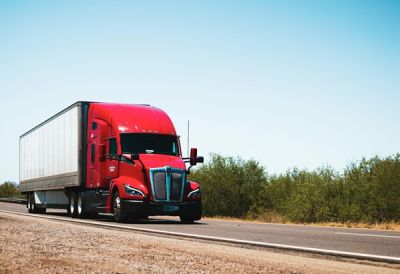
Commercial Truck & Trucking Insurance in East Point, Georgia
Operating a commercial truck or trucking business comes with risks that standard auto insurance is not designed to address. Whether you operate a single truck, manage a growing fleet, haul freight throughout Georgia, or travel across state lines, having the right commercial truck insurance can help protect your vehicles, drivers, cargo, and business.
Leonard Butts Insurance Agency helps trucking companies and businesses in East Point, GA find commercial truck insurance designed around the way they operate. As an independent insurance agency, we can help evaluate your risks, explore available coverage options, and find insurance that fits your operation.
Located near Atlanta and one of the region's major transportation and logistics corridors, East Point is home to businesses involved in trucking, warehousing, freight forwarding, distribution, and airport-related logistics. For businesses that depend on commercial vehicles, the right insurance protection is an important part of keeping operations moving.
Who Needs Commercial Truck Insurance in East Point?
Commercial truck insurance isn't limited to large trucking fleets. Coverage may be appropriate for owner-operators, independent truckers, contractors, delivery companies, freight haulers, and other businesses using trucks for commercial purposes.
Leonard Butts Insurance Agency can assist businesses operating:
- Semi-trucks and tractor-trailers
- Box trucks
- Straight trucks
- Dump trucks
- Flatbed trucks
- Delivery trucks
- Tow trucks
- Service and utility trucks
- Cargo vans
- Pickup trucks used commercially
- Local and regional trucking fleets
- Owner-operator trucks
Whether you operate one vehicle or multiple commercial trucks, your coverage should reflect the vehicles you own, where you travel, what you haul, and how your business operates.
Request a commercial truck insurance quote today.
Commercial Truck Insurance Coverage Options
There is no single insurance policy that is appropriate for every trucking operation. Depending on your business, vehicle type and hauling activities, coverage may include:
Primary Liability Insurance
Commercial auto liability can provide protection when an insured driver is responsible for an accident resulting in bodily injury or property damage to others.
Georgia requires owners and lessees of actively registered motor vehicles to maintain continuous automobile liability coverage, while commercial motor carriers can be subject to additional state and federal requirements depending upon their operations.
Physical Damage Coverage
Your truck may be one of your business's most valuable assets. Physical damage coverage can help protect an insured vehicle against covered collision losses as well as certain non-collision losses such as theft, vandalism, fire, or weather-related damage, depending on the policy.
Motor Truck Cargo Insurance
If you transport property belonging to customers, motor truck cargo coverage can help protect against covered losses involving the freight you're hauling.
Coverage needs can vary considerably based on the commodities transported, their value, and the requirements of brokers, shippers, or customers.
General Liability Insurance
Trucking businesses can face risks beyond accidents on the road. Commercial general liability coverage may help protect against certain third-party bodily injury and property damage claims arising from business operations outside the direct operation of the truck.
Non-Trucking Liability
Owner-operators who operate under another motor carrier's authority may need non-trucking liability coverage for certain uses of the truck when it is not being operated for the motor carrier's business.
Trailer Interchange Coverage
If your trucking operation pulls trailers owned by other companies under a trailer interchange agreement, specialized coverage may be needed to protect against covered physical damage to those trailers.
Uninsured and Underinsured Motorist Coverage
An accident involving a driver who has little or no insurance can create significant financial exposure. Uninsured and underinsured motorist coverage can provide additional protection, subject to policy terms and selected limits.
Trucking Insurance for East Point's Transportation Businesses
East Point's proximity to Hartsfield-Jackson Atlanta International Airport and the surrounding freight and logistics network makes commercial transportation particularly relevant to the area. Local businesses include trucking companies as well as freight forwarding, courier, warehouse and logistics operations. Kuehne + Nagel Inc. and FedEx Trade Networks Transport & Brokerage, Inc., for example, both have East Point logistics operations.
That can mean commercial vehicles operating in dense Metro Atlanta traffic, making frequent pickups and deliveries, entering warehouses and loading facilities, or traveling beyond Georgia.
Leonard Butts Insurance Agency can help arrange coverage for businesses involved in:
Local Delivery and Distribution
Businesses making frequent stops throughout East Point, Atlanta and surrounding communities can have different exposures than long-haul carriers.
Regional and Interstate Trucking
Companies transporting freight beyond Georgia may have insurance and regulatory considerations based on where and how they operate.
Owner-Operators
Independent drivers may need coverage tailored to whether they operate under their own authority or lease onto another motor carrier.
Contractors and Service Businesses
Commercial truck coverage can also be appropriate for contractors and other businesses whose trucks transport equipment, materials, tools, or employees to job sites.
Georgia Commercial Truck Insurance Requirements
Commercial trucking insurance requirements can become considerably more complicated than insurance for an ordinary business vehicle.
Georgia requires motor carriers to maintain public liability insurance, and Georgia also requires intrastate commercial motor vehicle registrants to obtain a USDOT number. Interstate carriers may be subject to additional federal requirements based on factors including vehicle weight, operation and cargo.
For vehicles registered under the International Registration Plan (IRP), Georgia also has specific requirements concerning proof of insurance.
Because requirements can differ according to the type of trucking operation, it's important to evaluate your actual business rather than choosing coverage based solely on a generic minimum.
What Affects the Cost of Commercial Truck Insurance?
Commercial truck insurance premiums can vary significantly from one business to another. Insurance companies may consider factors such as:
- Type, size and value of trucks
- Number of vehicles
- Driver experience and driving records
- Operating radius
- Local versus interstate operations
- Type of cargo hauled
- Annual mileage
- Loss and claims history
- Coverage limits and deductibles
- USDOT and motor carrier information
- Years in business
- Safety practices
A one-truck owner-operator hauling locally around Metro Atlanta presents a very different insurance profile from a fleet of tractor-trailers operating throughout several states.
Commercial Truck Insurance for One Truck or an Entire Fleet
You don't need to operate a large trucking company to benefit from working with an independent insurance agency.
Leonard Butts Insurance Agency can help both established trucking companies and smaller businesses evaluate commercial truck coverage. If you're adding trucks, hiring drivers, expanding your operating radius, or changing the type of freight you haul, it's also a good time to review your existing insurance program.
As your trucking operation changes, your insurance should keep pace.
Commercial Truck Insurance vs. Commercial Auto Insurance
Although the terms are sometimes used interchangeably, not every commercial auto policy is designed for a trucking operation.
A business using cars, vans, or pickups to visit customers may need standard commercial auto insurance. A company transporting freight with box trucks, tractor-trailers, or other heavy commercial vehicles may require more specialized trucking coverage.
Trucking operations can also introduce exposures involving cargo, trailers, motor carrier filings, larger vehicles, and interstate operations.
Leonard Butts Insurance Agency can help determine which type of commercial vehicle coverage is appropriate based on how your business actually uses its vehicles.
Why Work With Leonard Butts Insurance Agency?
As an independent insurance agency, Leonard Butts Insurance Agency can help East Point business owners explore coverage rather than relying on a one-size-fits-all approach.
We'll take the time to understand:
- What trucks you operate
- What you haul
- Where you travel
- Who drives your vehicles
- Whether you operate locally, regionally, or interstate
- The limits and coverage your contracts may require
From there, we can help you evaluate available commercial truck and trucking insurance options.
Get a Commercial Truck Insurance Quote in East Point, GA
Your trucks keep your business moving. Make sure your insurance is designed to keep up with them.
If you need commercial truck insurance in East Point, GA, contact Leonard Butts Insurance Agency. Tell us about your vehicles and trucking operation, and we'll help you explore coverage options for your business.
Request a commercial truck insurance quote today.
Frequently Asked Questions
Is commercial truck insurance required in Georgia?
Georgia requires continuous liability insurance for actively registered motor vehicles, and motor carriers have additional insurance and registration requirements. The requirements applicable to a particular trucking business can depend on its vehicles and operations.
Can you insure an owner-operator with one truck?
Commercial truck insurance can be available for single-truck owner-operators as well as companies operating multiple vehicles. Coverage needs will depend in part on whether the owner-operator operates independently or under another carrier's authority.
Does commercial truck insurance cover cargo?
Ordinary commercial auto coverage doesn't necessarily protect the property being transported. Motor truck cargo insurance may be added or purchased to cover eligible cargo against specified losses.
Can I insure multiple trucks on one policy?
Depending on the business and insurer, multiple commercial trucks may be insured as a fleet. Georgia specifically recognizes fleet policies for certain insurance and proof-of-coverage purposes.
Do interstate trucking companies need different insurance?
They may. Interstate motor carriers can be subject to federal requirements in addition to Georgia requirements. The appropriate coverage and limits depend upon factors such as vehicle type, weight, cargo and operating authority.