


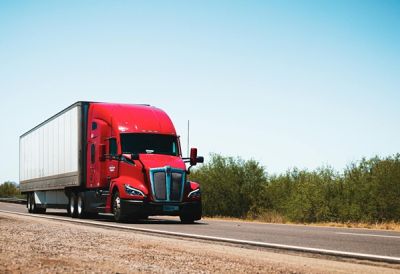
Trucking businesses face insurance risks that go well beyond those of an ordinary company vehicle. Whether you operate one truck as an independent owner-operator or manage a growing fleet, the right insurance program can help protect your trucks, drivers, cargo, customers, and business.
Leonard Butts Insurance Agency helps truckers and commercial vehicle operators in Decatur and throughout Georgia find trucking insurance designed around their actual operations.
From local delivery routes throughout Metro Atlanta to interstate transportation across the Southeast, commercial trucks spend long hours on the road and can create significant liability exposures. An accident involving a heavy truck can result in substantial vehicle damage, injuries, cargo losses, towing expenses, and potential claims against the trucking business.
That's why trucking operations need more than a basic commercial auto policy.
As an independent Georgia insurance agency, Leonard Butts Insurance Agency can help evaluate your trucks, drivers, cargo, operating radius, and business structure to identify commercial truck insurance options appropriate for your operation.
Commercial Truck Insurance for Decatur Trucking Businesses
Trucking insurance can cover many different types of operations. We can help businesses explore coverage for vehicles and operations such as:
- Tractor-trailers
- Semi-trucks
- Box trucks
- Straight trucks
- Dump trucks
- Flatbed trucks
- Delivery trucks
- Tow trucks
- Refrigerated trucks
- Local and regional hauling
- Long-haul trucking
- Owner-operators
- Independent truckers
- Small trucking fleets
Your insurance needs will depend heavily on what you haul, where you travel, the trucks you operate, and whether you operate under your own authority or another carrier's authority.
Note that, businesses operating lighter work vehicles may instead need commercial auto insurance in Decatur.
Trucking Insurance Coverage Options
A commercial trucking insurance program can include several different types of coverage. Not every trucking business needs every coverage, which makes reviewing your specific operation important.
Primary Auto Liability
Primary liability insurance provides protection when an insured truck or driver is responsible for an accident resulting in bodily injury or property damage to someone else.
Liability limits can be especially important in trucking because the potential severity of accidents involving large commercial vehicles can be significantly greater than accidents involving ordinary passenger vehicles.
Motor carriers may also be subject to state or federal financial responsibility requirements depending on their operation.
Physical Damage Insurance
Your truck may be one of your business's most valuable assets.
Physical damage coverage can help protect covered tractors, trucks, and trailers against losses caused by collision and other covered events such as theft, vandalism, fire, and certain weather-related losses.
Coverage generally consists of:
Collision Coverage – Helps pay for covered damage resulting from a collision or rollover.
Comprehensive Coverage – Helps protect against qualifying non-collision losses such as theft, fire, vandalism, and certain weather events.
Motor Truck Cargo Insurance
If you're being paid to transport someone else's property, damage to that cargo can become a major financial exposure.
Motor truck cargo insurance can provide protection for covered property while it is being transported by your trucking business.
Coverage requirements and limits can vary significantly depending upon what you haul. A carrier transporting construction materials has different cargo exposures than one transporting refrigerated food, electronics, machinery, or other high-value freight.
General Liability Insurance for Truckers
Not every trucking claim occurs while a truck is moving.
Trucking general liability can provide protection against certain business-related liability claims that fall outside the scope of commercial auto liability coverage.
Your agent can help determine whether general liability should be included as part of your trucking insurance program.
Non-Trucking Liability
Owner-operators who lease their trucks to a motor carrier may need non-trucking liability coverage for certain situations when the truck is being operated for personal rather than business purposes.
The appropriate coverage depends upon your lease agreement and the insurance provided by the motor carrier.
Trailer Interchange Coverage
If your trucking business pulls trailers owned by other companies under a trailer interchange agreement, you may need trailer interchange insurance.
This coverage can help protect against covered physical damage to a non-owned trailer while it is in your possession.
Uninsured & Underinsured Motorist Coverage
Not every driver on Georgia roads carries sufficient insurance.
Uninsured and underinsured motorist coverage can provide important protection when an insured truck is involved in an accident caused by a driver who has no insurance or inadequate liability limits.
Get A Personalized Quote Today!
Owner-Operator Truck Insurance in Decatur, GA
Insurance is especially important for independent owner-operators because a serious loss can affect both your truck and your ability to earn an income.
The coverage you need can depend upon how you operate.
An owner-operator working under their own authority may need a combination of primary liability, physical damage, cargo insurance, general liability, and other trucking-specific coverage.
An owner-operator leased to a motor carrier may have certain liability coverage provided by the carrier but still need coverage for their own truck and other exposures.
Before purchasing a policy, it's important to understand exactly what the motor carrier provides and what remains your responsibility.
Leonard Butts Insurance Agency can help review those exposures and identify potential gaps.
DOT & FMCSA Insurance Requirements
Commercial trucking insurance isn't determined solely by what coverage a truck owner wants to purchase. State and federal regulations may establish minimum financial responsibility requirements for certain motor carriers.
Interstate for-hire motor carriers may be required to maintain specific liability limits based on factors including:
- Vehicle weight
- Type of operation
- Cargo being transported
- Whether hazardous materials are transported
- Interstate versus intrastate operations
Certain carriers operating under federal authority must also have appropriate insurance filings submitted to the Federal Motor Carrier Safety Administration.
Your actual requirements depend upon your trucking operation and authority. Rather than assuming that a standard commercial auto policy meets these requirements, work with an insurance professional familiar with commercial trucking exposures.
Local, Regional & Interstate Trucking Insurance
A Decatur trucking business might operate entirely within Metro Atlanta or send trucks hundreds of miles from home.
We can help evaluate coverage for:
Local Trucking
Businesses primarily serving Decatur, Atlanta, DeKalb County, and surrounding communities may operate within a relatively limited radius but still encounter significant traffic and accident exposure.
Regional Trucking
Regional trucking operations may travel throughout Georgia and neighboring states including Alabama, Tennessee, Florida, South Carolina, and North Carolina.
Interstate Trucking
Motor carriers operating across state lines may have additional federal requirements and often need insurance carriers familiar with interstate trucking operations and FMCSA filings.
Your operating radius is also one of the factors insurance companies may consider when determining eligibility and premiums.
Commercial Truck Insurance for Metro Atlanta Operations
Decatur's location within Metro Atlanta means commercial trucks may regularly travel through some of Georgia's busiest transportation corridors.
A Decatur-based trucking company may routinely operate throughout:
- Atlanta
- Avondale Estates
- Tucker
- Stone Mountain
- Scottdale
- Clarkston
- Brookhaven
- Chamblee
- East Point
- College Park
- DeKalb County
- Fulton County
Trucks may also routinely access major Atlanta-area routes including I-20, I-75, I-85 and I-285.
Heavy traffic, frequent lane changes, construction zones, delivery schedules, and long hours behind the wheel can all contribute to commercial trucking risk.
How Much Does Commercial Truck Insurance Cost in Decatur?
There isn't one standard price for trucking insurance.
Insurance companies can consider numerous factors when determining premiums, including:
- Type of truck
- Truck value
- Number of trucks
- Driver experience
- Driver motor vehicle records
- USDOT operating history
- Claims history
- Type of cargo
- Operating radius
- Annual mileage
- Years in business
- Coverage limits
- Deductibles
- Interstate or intrastate operation
- Whether you operate under your own authority
- Where trucks are garaged
A new venture with one truck may therefore receive a very different premium than an established trucking company with several experienced drivers and a favorable loss history.
New Venture Trucking Insurance
Starting a trucking company can involve more than purchasing a truck and finding loads.
New motor carriers may need to address insurance, DOT registration, operating authority, vehicle registration, safety requirements, and contracts before beginning operations.
Insurance can also represent one of the largest startup expenses for a new trucking operation.
If you're starting a trucking company in Decatur or elsewhere in Georgia, Leonard Butts Insurance Agency can help you understand the insurance portion of the process and explore coverage options for your new venture.
Ways Trucking Businesses Can Help Control Insurance Costs
While many pricing factors are outside a trucking company's immediate control, a strong safety culture can make a difference over time.
Trucking companies should consider:
- Carefully screening new drivers
- Reviewing motor vehicle records
- Establishing written driver safety policies
- Maintaining trucks and trailers
- Documenting vehicle inspections
- Addressing unsafe driving behavior
- Maintaining accurate DOT records
- Reporting claims promptly
- Reviewing insurance coverage annually
- Avoiding unnecessary gaps in insurance coverage
The cheapest policy isn't always the least expensive option in the long run. Inadequate coverage can become far more costly following a serious accident or cargo loss.
Why Choose Leonard Butts Insurance Agency for Trucking Insurance?
Trucking insurance is a specialized form of commercial insurance. Your coverage needs can change based on the trucks you own, your drivers, cargo, contracts, operating authority, and where your business travels.
Leonard Butts Insurance Agency is an independent insurance agency serving commercial clients throughout Georgia.
Working with an independent agency can give trucking businesses access to insurance options appropriate for their particular operation rather than trying to fit every trucking company into the same policy.
We can help you evaluate coverage for:
- Commercial trucks
- Trucking liability
- Physical damage
- Motor truck cargo
- Trucking general liability
- Owner-operator exposures
- Trailer interchange
- Commercial umbrella coverage
- Workers' compensation
- Other business insurance needs
Whether you're an independent trucker with one truck or operate a growing fleet, we'll help you evaluate your risks and insurance options.
Get a Trucking Insurance Quote in Decatur, GA
Your trucks are more than vehicles—they're an essential part of your business and your ability to generate revenue.
Leonard Butts Insurance Agency helps truckers, owner-operators, and commercial trucking businesses in Decatur and throughout Georgia find insurance designed for the road ahead.
Whether you're starting a trucking company, adding another truck, changing insurance carriers, or reviewing an existing trucking policy, contact Leonard Butts Insurance Agency to discuss your coverage.
Frequently Asked Questions About Trucking Insurance in Decatur, GA
How much liability insurance does a trucking company need in Georgia?
The required amount depends on the type of trucking operation, vehicle, cargo, and whether the carrier operates interstate or intrastate. Certain interstate for-hire property carriers operating vehicles weighing 10,001 pounds or more are subject to a $750,000 federal minimum, while certain hazardous-material operations require substantially higher limits. Many trucking companies choose or are contractually required to carry limits above the legal minimum.
What insurance does an owner-operator need?
Coverage depends on whether the owner-operator works under their own authority or leases to a motor carrier. Coverage can include primary liability, physical damage, motor truck cargo, general liability, and non-trucking liability.
Do I need cargo insurance for my trucking business?
It depends on your operation and contractual requirements. Even when cargo coverage isn't federally mandated for a particular carrier, shippers, brokers, or customers may require it before doing business with you. Cargo insurance can also protect the trucking company against potentially significant losses involving property it has been hired to transport.
Can you insure a new trucking company?
Insurance options are available for many new ventures, although pricing and underwriting requirements can differ from those for established motor carriers. Information about the driver, truck, cargo, operating radius, authority, and business plan can all affect available options.
Is commercial truck insurance different from regular commercial auto insurance?
Yes. Commercial auto insurance covers many types of business vehicles, while trucking insurance addresses specialized exposures associated with motor carriers and heavy commercial trucks. Trucking policies may include motor truck cargo, trailer interchange, trucking-specific liability, non-trucking liability, and coverage designed around state or federal motor carrier requirements.